

‘MAGA Barbie’, Transvestigated: Sophie Cunningham and the Circle Moment
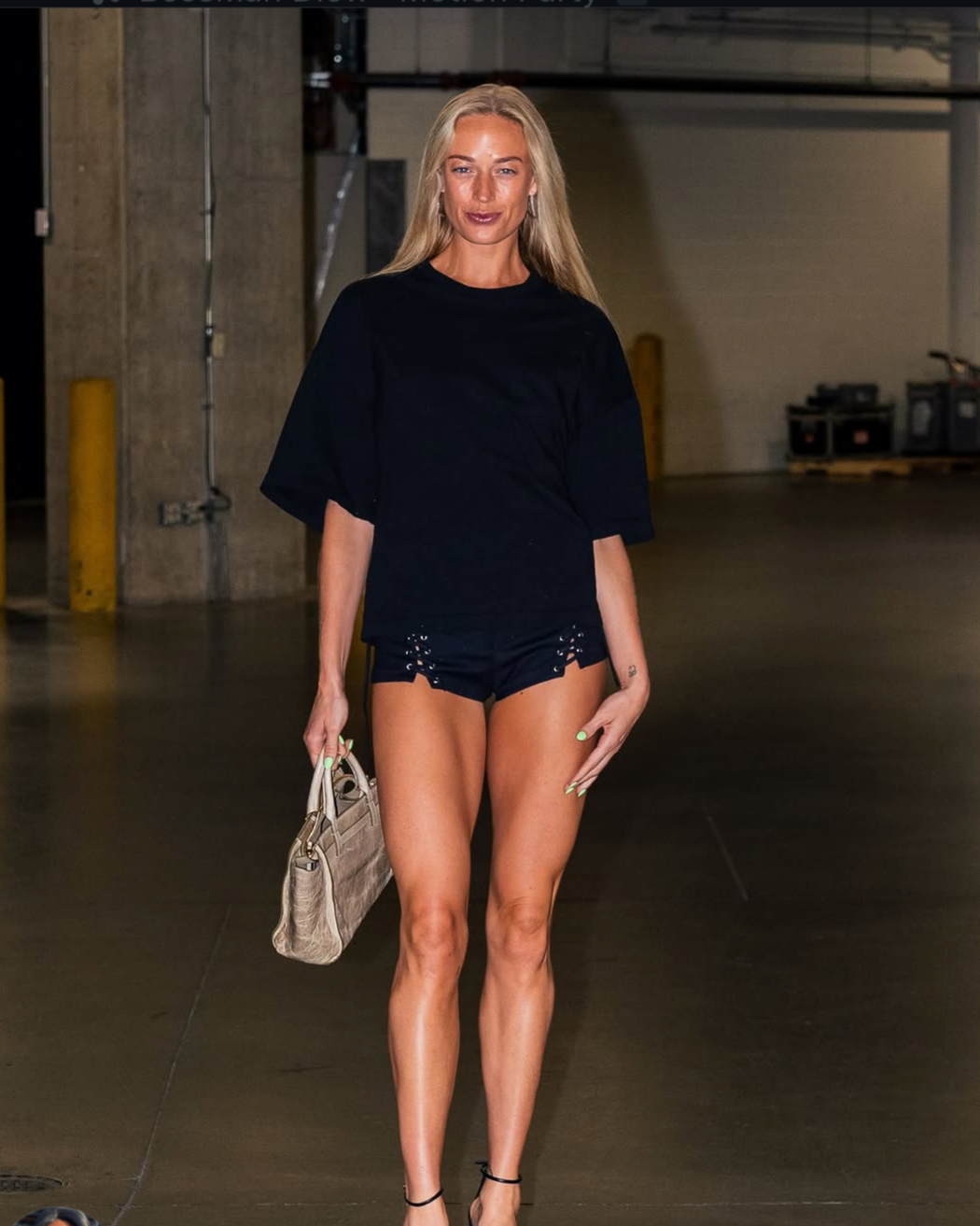
“I said what I said.” Four words, and Sophie Cunningham turned a WNBA reserve’s media day into a national headline. And so did the internet, after X caught wind of her Sports Illustrated Swimsuit photos resurfacing that same week, the same body that had just been celebrated in every retweet was about to get picked apart in the replies.
Sophie Cunningham’s Sports Illustrated Swimsuit debut wasn’t actually new. SI announced her as one of three athletes joining the 2026 issue on April 8, 2026, and her full shoot, shot by Katherine Goguen at the South Seas Resort on Captiva Island, Florida went live May 12–14, drawing praise from names like Brittany Mahomes. It was a good few weeks for her. Then, in July 2026, an ESPN profile hit, and those same photos got dragged right back into the timeline, except this time, the comments underneath both started to blur together in an ugly way.
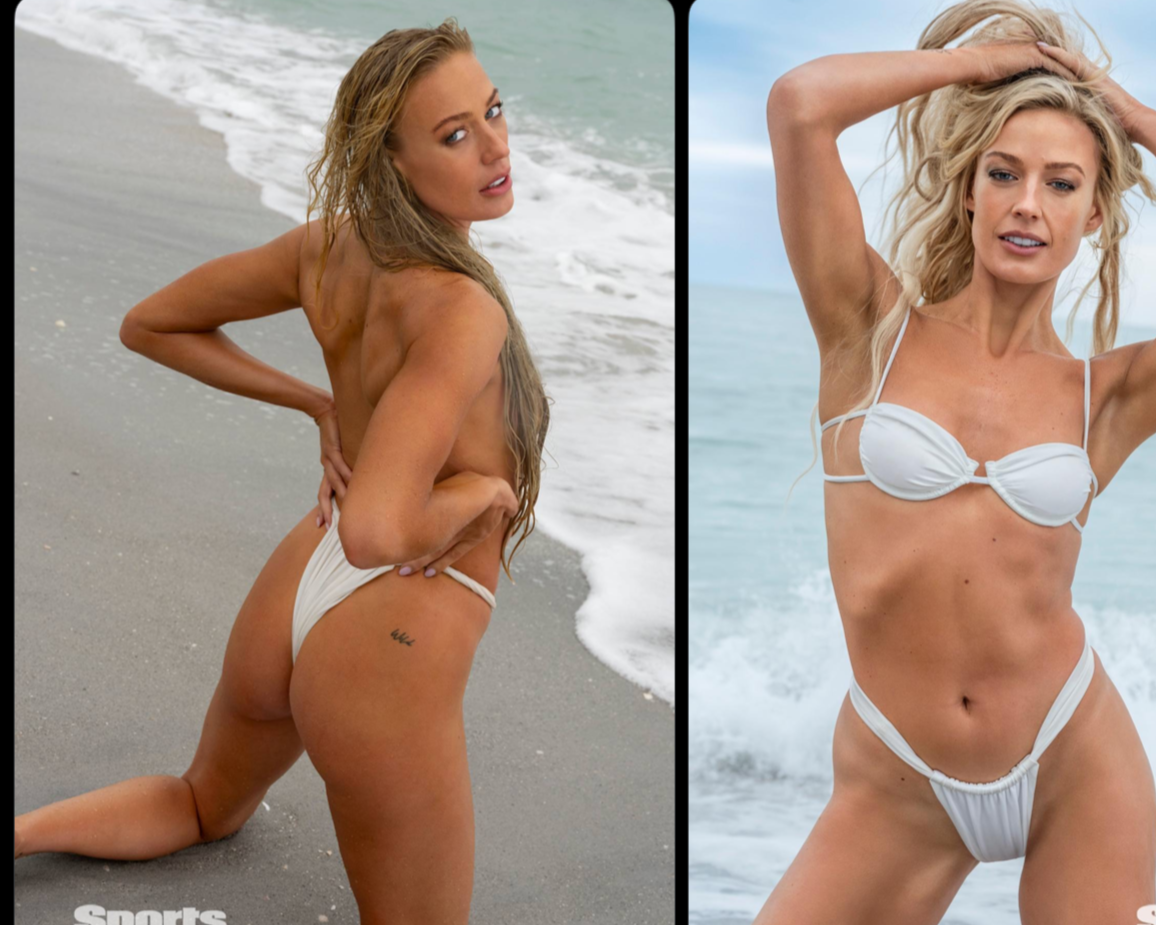
The pivot point was Cunningham’s own words. In that ESPN piece, she said flatly that athletes should compete in the category of their birth sex, framing it as protecting “young girls in a locker room” from “biological men.” She doubled down for days afterward on camera, unprompted, more than once, insisting she was just being “honest” and that she was “in the middle” politically, even as South Carolina Senator Darline Graham Nordone publicly thanked her for “guts” and the White House took notice. It wasn’t a slip. It was a stance she kept choosing to repeat.
That’s worth sitting with before getting to what happened to her, because Cunningham’s comments deserve scrutiny on their own terms, not just as a setup for the irony that followed. Her argument leans on the idea that you can look at a body and know, definitively, whether it belongs in women’s sports, that biology announces itself clearly enough to police at the door. It’s a popular position, but it’s also a blunt one, and it treats “protecting women” as something you can do by drawing a hard line around what a female athlete’s body is supposed to look like.
Some corners of the internet seemed to draw that same line right back around her.
Worth being upfront here: the wave of critics calling Cunningham a “transphobe” and worse is well documented, that part of the backlash is on the record. What’s harder to pin down, and reads more like a pattern than a citable headline, is the flavor of mockery that started circulating alongside it: jokes about Cunningham’s own build, the kind that lean on “she looks like she’s had enough surgery to be trans” as a punchline. It’s the logic of what’s come to be called ‘transvestigating’, deciding a woman’s jaw, shoulders, or muscle disqualify her from womanhood and even without a single viral post to point to as the smoking gun, the shape of that joke is a familiar one for any visibly strong woman in sports. If it happened to Cunningham the way it’s happened to others, she hadn’t said anything about her own body to invite it. She didn’t need to. The logic she’d just spent a week defending that a body can fail the eye test for “biological woman” was suddenly available to be pointed back at her by an audience that couldn’t have cared less about her actual politics.
Call it the circle moment, with the caveat that it’s a read on the tenor of the reaction more than a documented headline. Cunningham spent her media cycle arguing that womanhood needs a clear, visible, checkable boundary, and if the mockery landed the way it seems to have, got handed a preview of what it feels like to be on the wrong side of somebody else’s checkpoint. That doesn’t make the mockery exactly fair, body-shaming a professional athlete for being built like one is genuinely out of pocket, and the people doing it mostly weren’t making a point about locker room policy, they were just being cruel because cruelty was available. But it’s hard to ignore how precisely that kind of joke mirrors her own argument’s shape. She wanted a line. The internet, or at least a slice of it, drew one through her.
None of this resolves the actual policy question she waded into, and it shouldn’t be mistaken for an answer to it. What it does show is how flimsy “you can just tell by looking” is as a standard, the second it’s turned on someone who isn’t the intended target. Cunningham went viral for insisting the eye test works. A week later, she was the eye test’s latest casualty.