

Jannik Sinner's Montreal Withdrawal Just Reopened Tennis's Biggest Calendar Debate
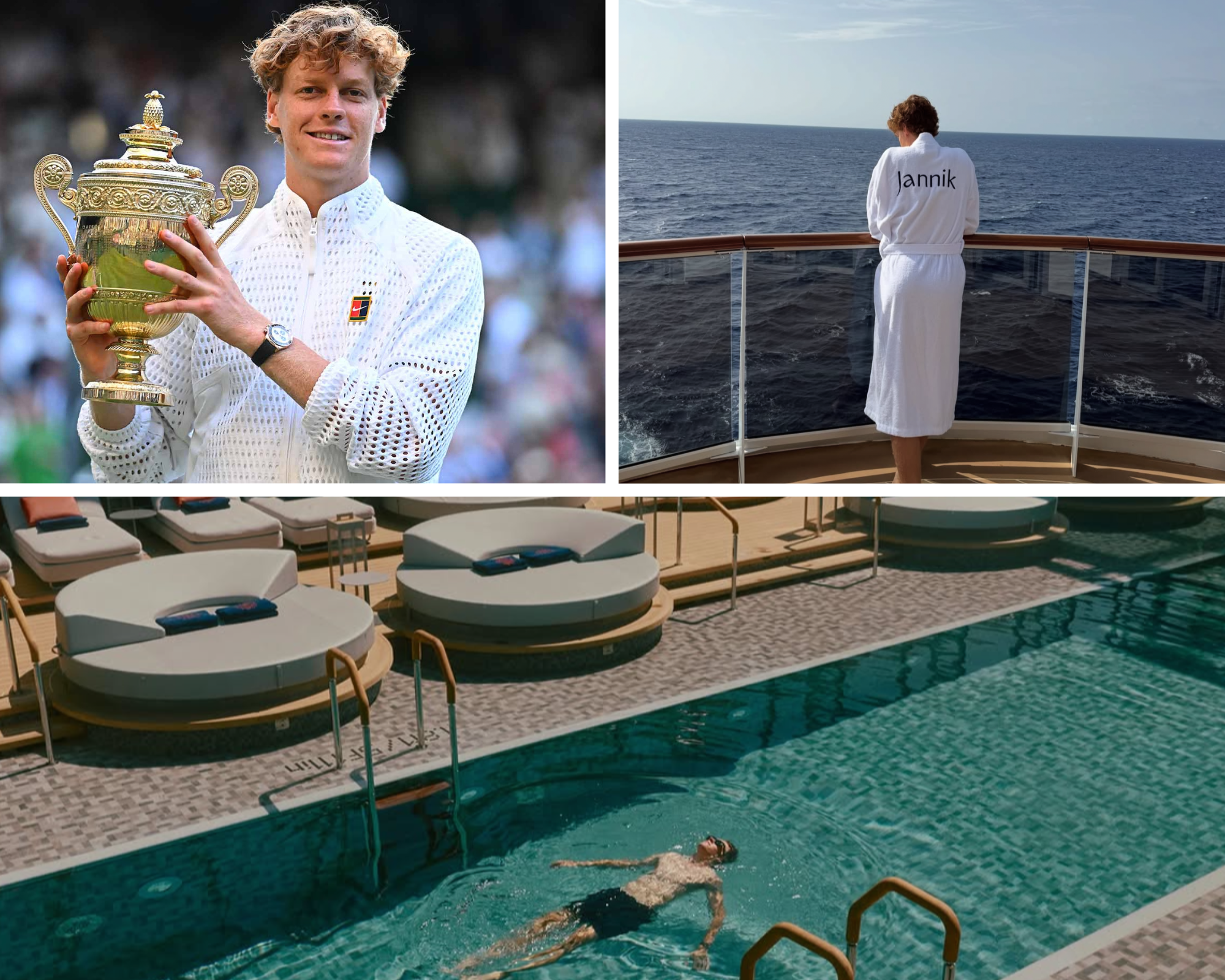
From lifting the Wimbledon trophy to overlooking the Atlantic, Sinner's post-championship break has become an unexpected talking point.
If you've opened Jannik Sinner's Instagram over the last few days, you might think the world No. 1 has traded baseline rallies for sea views. A day ago, he posted a dump from his stint aboard EXPLORA III, the new flagship of his cruise-line partner Explora Journeys; shots of him in the water and in a robe embroidered with his own name among them. It is, technically, a paid brand ambassador appearance rather than a holiday. But the optics land the same way: while the ATP Tour prepares for one of its biggest tournaments outside the Grand Slams, its biggest star is at sea. Unfortunate timing for Montreal, if nothing else.
Earlier this week, Sinner officially withdrew from the National Bank Open in Montreal, explaining that after discussions with his team, prioritising his health was the right decision ahead of the final Grand Slam of the season.
At first glance, it sounds like a fairly standard tennis story. A player withdraws, another moves up the draw and the tournament carries on. Except this withdrawal is anything but ordinary.
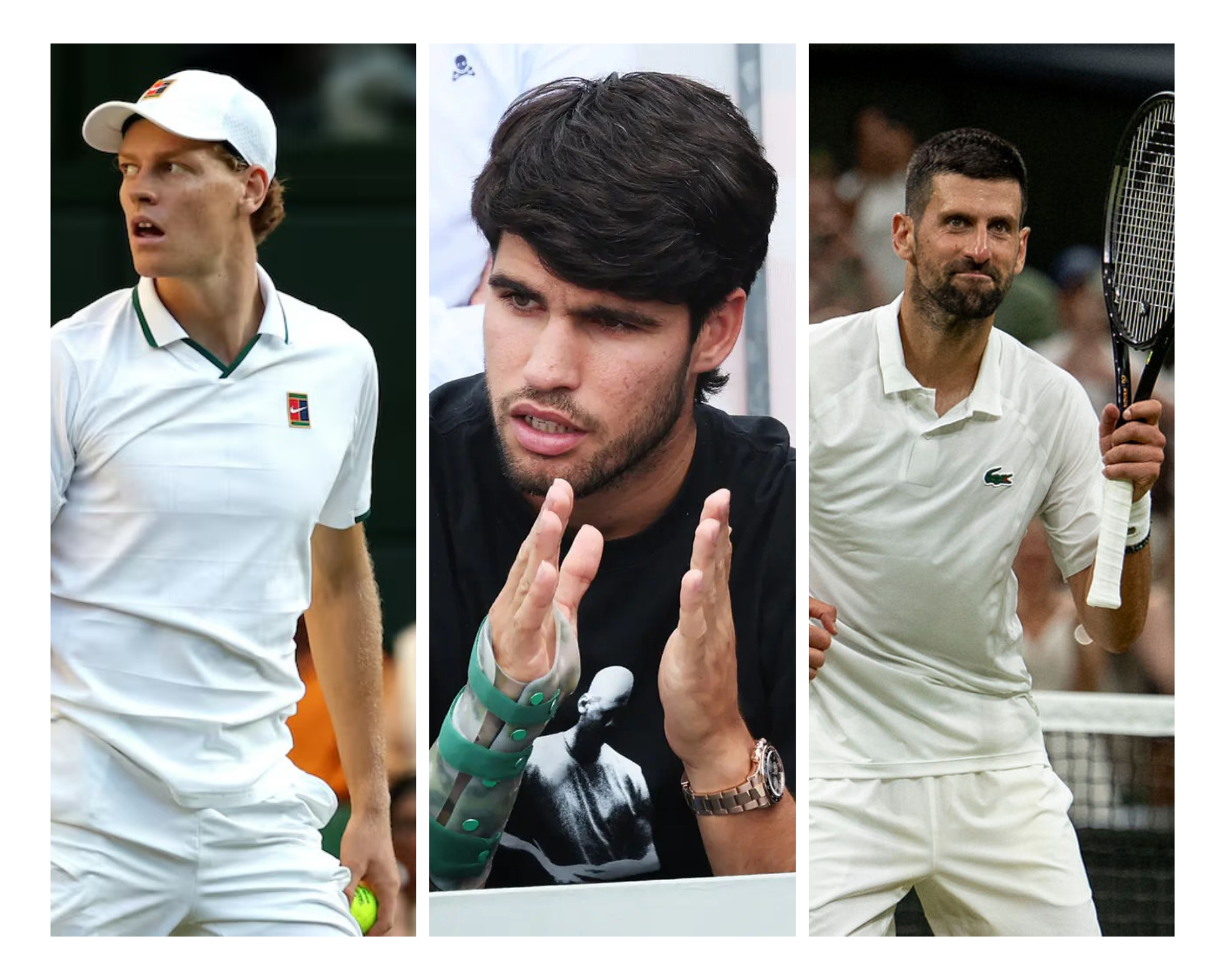
Sinner, Alcaraz and Djokovic will all miss Montreal, leaving the ATP Masters 1000 without its biggest stars.
A tournament missing its biggest stars
Sinner's absence alone would have been significant, but he won't be the only headline name missing. Novak Djokovic has also withdrawn as he continues managing his workload, while Carlos Alcaraz remains sidelined with a wrist injury sustained at the Barcelona Open, which already forced him out of the French Open and Wimbledon.
The women's draw, held in Toronto this year under the same National Bank Open banner, has taken its own hit. Defending champion Victoria Mboko will not return to defend her title after suffering a knee injury during the grass court season, and she's not alone, Emma Raducanu (stress fracture), Karolina Muchova (recovering from minor surgery) and Jasmine Paolini (foot injury) have all pulled out of the event in the weeks since.
Together, those absences mean one of the biggest combined ATP and WTA tournaments outside the Grand Slams will take place without several of the sport's biggest stars. For the men's draw specifically, it marks the second consecutive year that the Canadian Masters ; which alternates between Montreal and Toronto has lost its three biggest attractions, Sinner, Djokovic and Alcaraz among them. That is no longer just unfortunate scheduling, it is becoming a pattern.
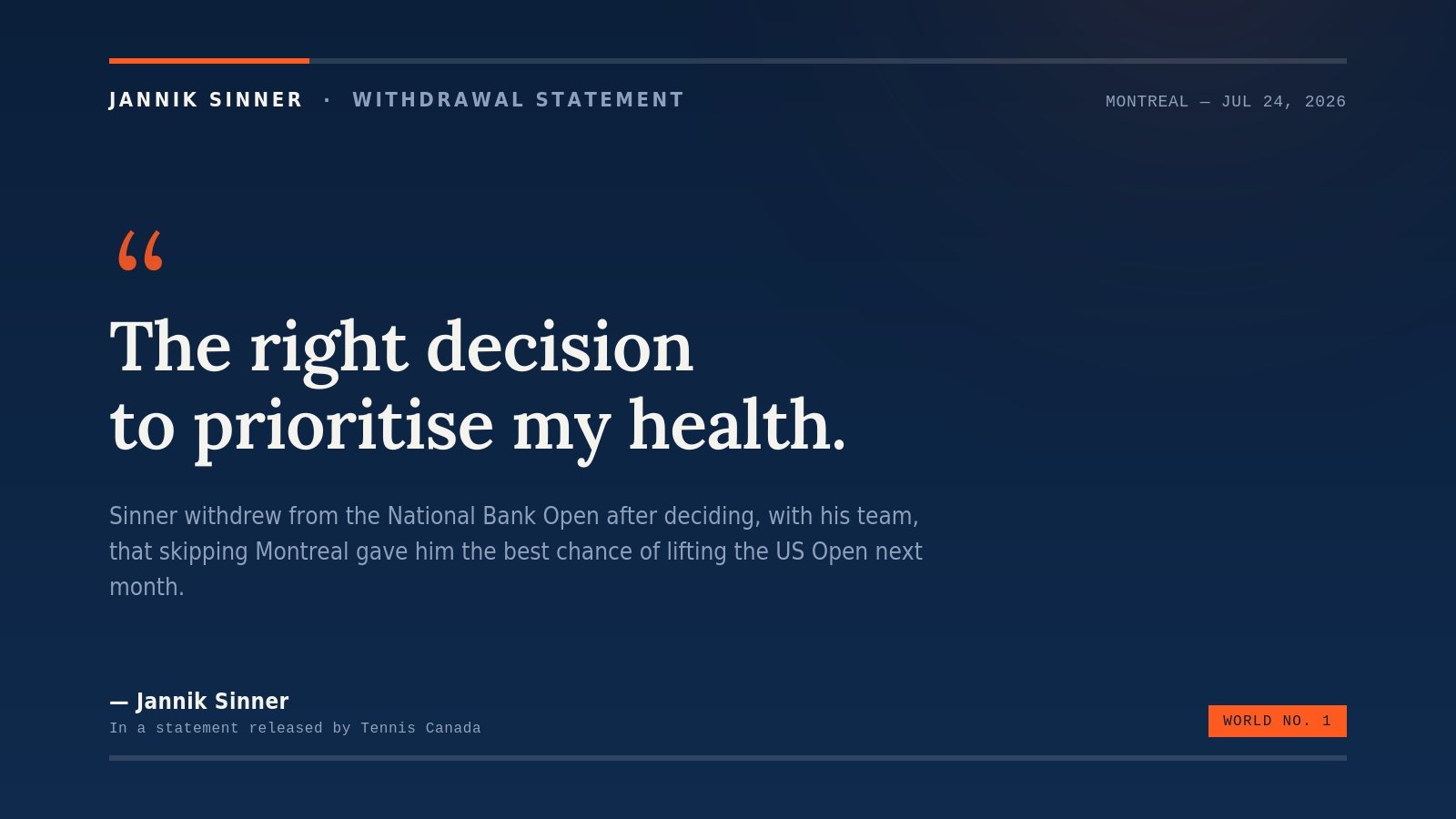
Sinner said withdrawing from Montreal was "the right decision" as he prioritises his health ahead of the US Open.
Sinner says it's about health
In his statement, Sinner admitted the decision wasn't easy. After discussions with his team, he chose to withdraw because he believes prioritising his health gives him the best chance later in the season.
Given everything he has achieved in 2026, that logic is difficult to argue with. He is coming off another Wimbledon title, has already won multiple Masters 1000 events this season and now finds himself only a few weeks away from the US Open, a tournament that carries far greater weight in tennis history than another Masters trophy.
When you're the world No. 1, every scheduling decision becomes a balancing act between today's tournament and maximising your chances of lifting next month's Grand Slam trophy.
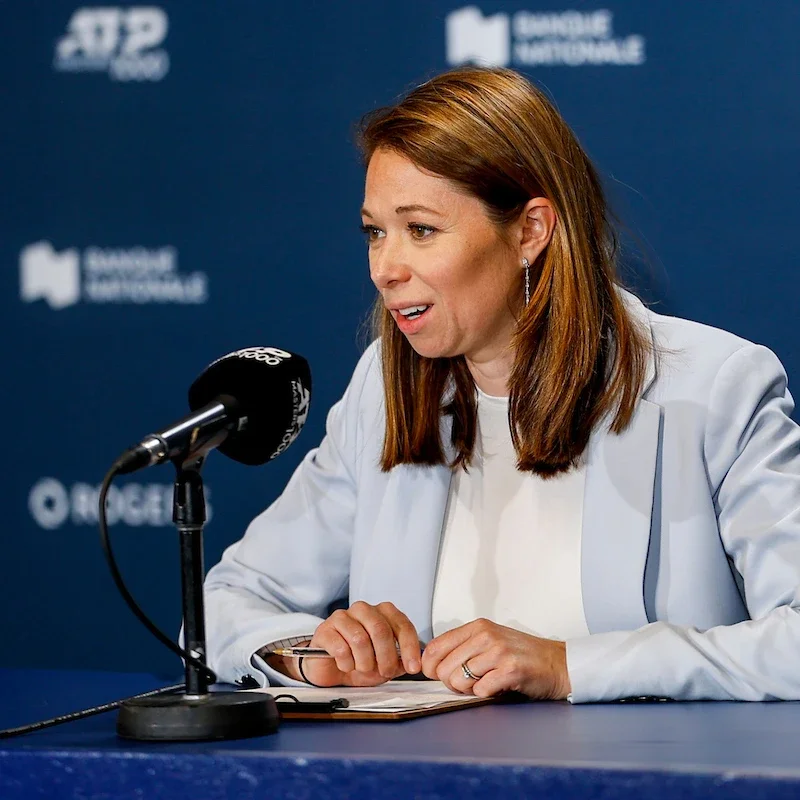
Tournament director Valérie Tétreault says repeated late withdrawals are becoming a growing challenge for Masters 1000 events.
But Montreal's frustration is understandable
The real issue isn't necessarily Sinner. It's the calendar.
Tournament director Valérie Tétreault acknowledged that player health has to come first, but also argued that repeated late withdrawals from Masters 1000 events are becoming a wider issue for tennis.
She's not wrong.
Fans buy tickets months in advance expecting to watch the world's best players. Broadcasters promote those stars, sponsors build campaigns around them and tournaments market their biggest names long before the first ball is struck. Then, only days before the event begins, several of those players withdraw.
Nobody is accusing players of making the wrong decision. The bigger question is whether the calendar is forcing them into making it.
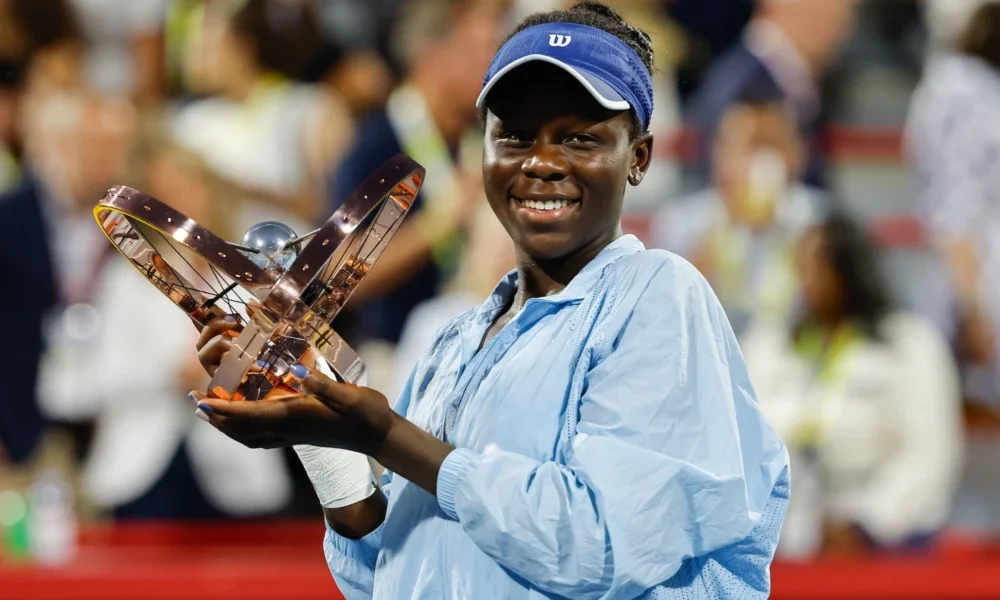
he WTA draw has also been affected, with defending champion Victoria Mboko ruled out through injury.
Is tennis asking too much?
Unlike many sports, elite tennis barely stops. Players begin the season in Australia, move through the Middle East and clay swing, hit grass, then return to North America for the hard court season before finishing the year across Asia and at the ATP Finals, different continents, climates and surfaces, with barely a gap to recover between four Grand Slam campaigns.
It's little surprise that more players are beginning to prioritise recovery over ranking points. In many ways, that's exactly what professional athletes should be doing.
The recent withdrawals across both tours only reinforce that conversation. Whether it's Mboko's injury or Sinner's precaution, they still contribute to a growing reality that the calendar leaves very little room for players to recover physically before the next major event arrives.
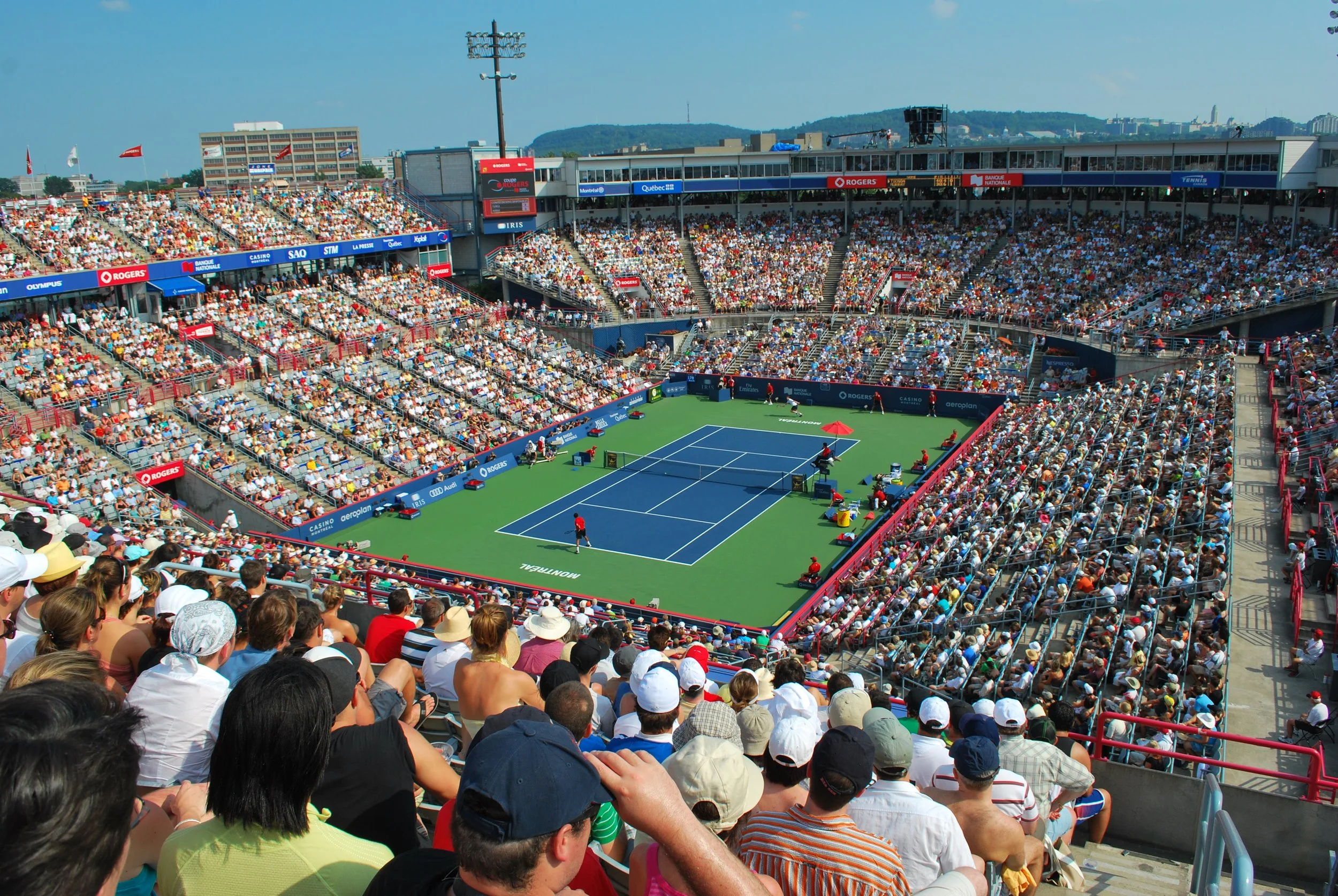
IGA Stadium.
The irony
Here's the irony.
Sinner has been putting together one of the strongest Masters 1000 seasons in recent memory. Before withdrawing, he had won the first five Masters events of the year and still had a mathematical chance of completing an unprecedented sweep of all nine Masters 1000 titles in a single season.
Walking away from that opportunity says everything about how valuable recovery has become. If even the world No. 1 decides that one more tournament isn't worth the physical cost, perhaps the issue isn't the player.
Perhaps it's the schedule.
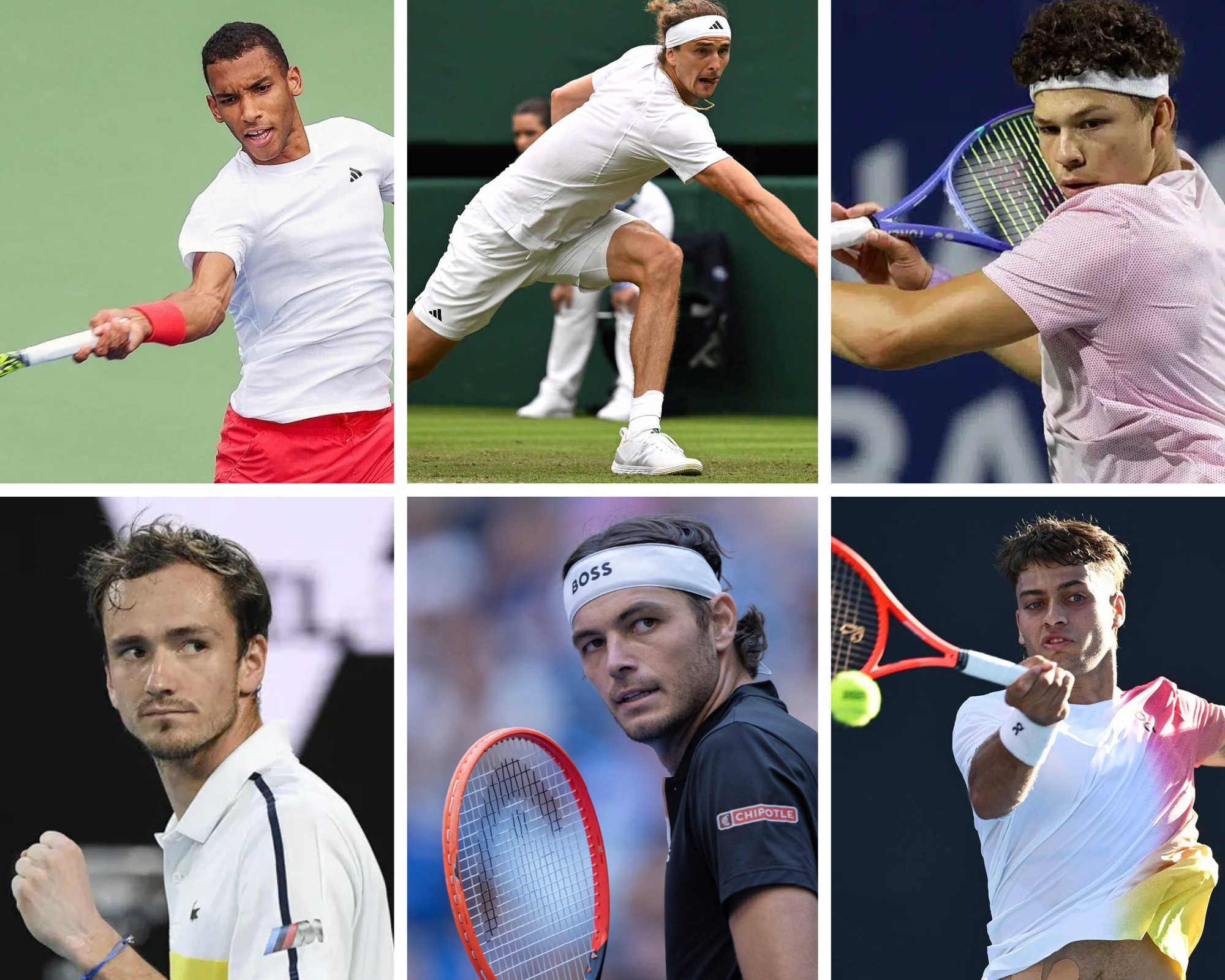
Despite the withdrawals, Montreal still features a deep field led by Alexander Zverev, Daniil Medvedev, Taylor Fritz, Ben Shelton and Flavio Cobolli.
What happens next?
Montreal certainly won't be short of quality.
Alexander Zverev now becomes the top seed, while home favourite Félix Auger-Aliassime will be one of the tournament's biggest attractions. Ben Shelton, Daniil Medvedev, Taylor Fritz, Flavio Cobolli and Alex de Minaur are all expected to compete, ensuring there will still be plenty of world class tennis on display.
It will, however, feel different, not because the tournament lacks quality, but because many of its biggest names have decided that preparing for New York is ultimately the greater priority.
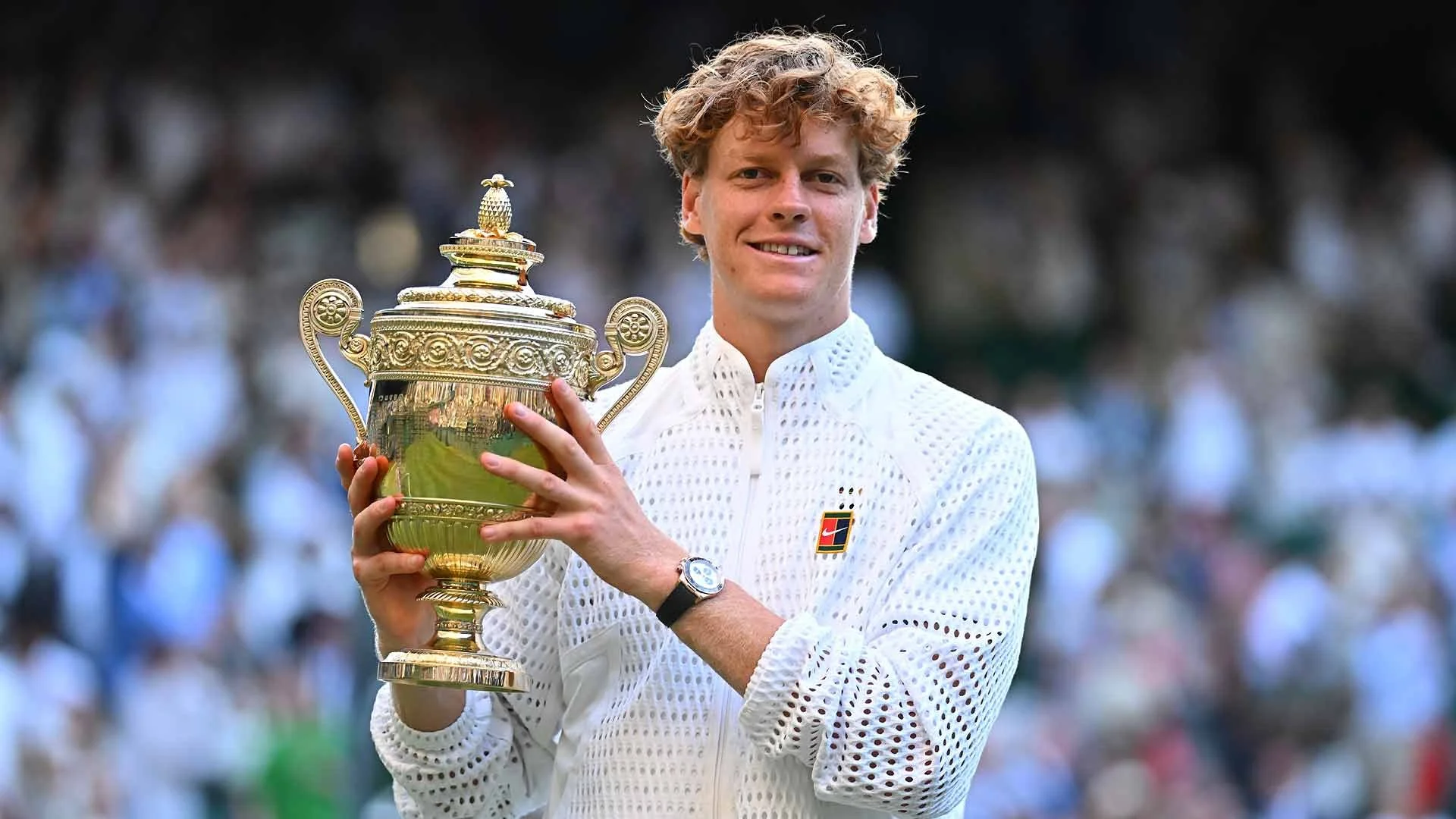
Whether the gamble pays off will become clear when Sinner begins his bid for another US Open title in New York.
Final thoughts
Jannik Sinner's Instagram might currently suggest life is all cruises, sea views and personalised bathrobes, even if it's technically a sponsorship stop rather than time off.
The reality is rather less glamorous.
His decision to skip Montreal isn't really about taking a holiday. It's about managing an increasingly relentless tennis calendar where the sport's biggest stars are beginning to decide that sometimes, the best way to prepare for the US Open is not to play at all.
If the world's best players continue making that calculation, tennis may soon have to ask itself a difficult question. Should the players adapt to the calendar, or is it finally time for the calendar to adapt to the players?