

The US Open Hates Influencers, Until It Needs Them
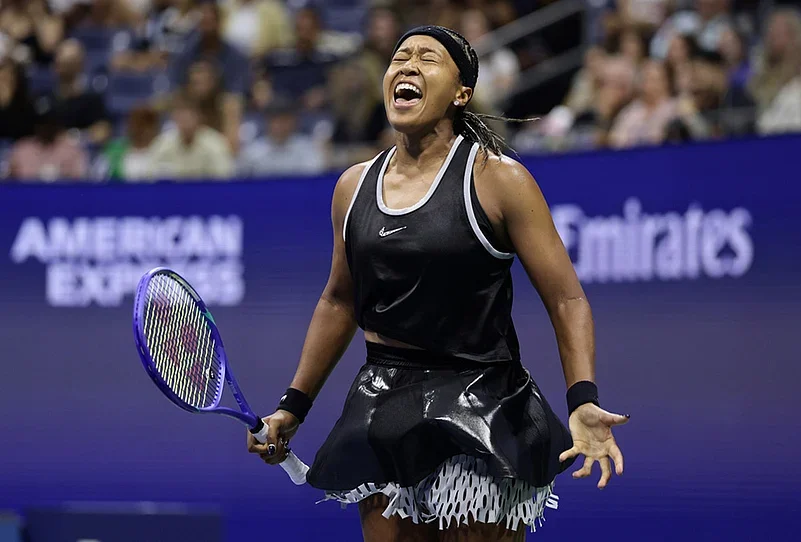
Naomi Osaka during her first-round match against Anastasia Zakharova at the 2026 US Open. Photo: Adam Hunger/AP.
The viral backlash against creators at Flushing Meadows exposes a contradiction at the heart of modern tennis: tournaments want the attention economy, just not all the behaviour that apparently comes with it.
There is a simple rule at the heart of the influencer debate currently consuming the US Open.
Don't shine a giant light while Naomi Osaka is trying to serve, which is... fair enough.
During Osaka's first-round victory over Anastasia Zakharova, footage circulated showing spectators in a hospitality suite moving around and taking photographs during play, including one person using a conspicuously bright light. Chair umpire Kader Nouni eventually addressed the suite and instructed spectators to take their seats.
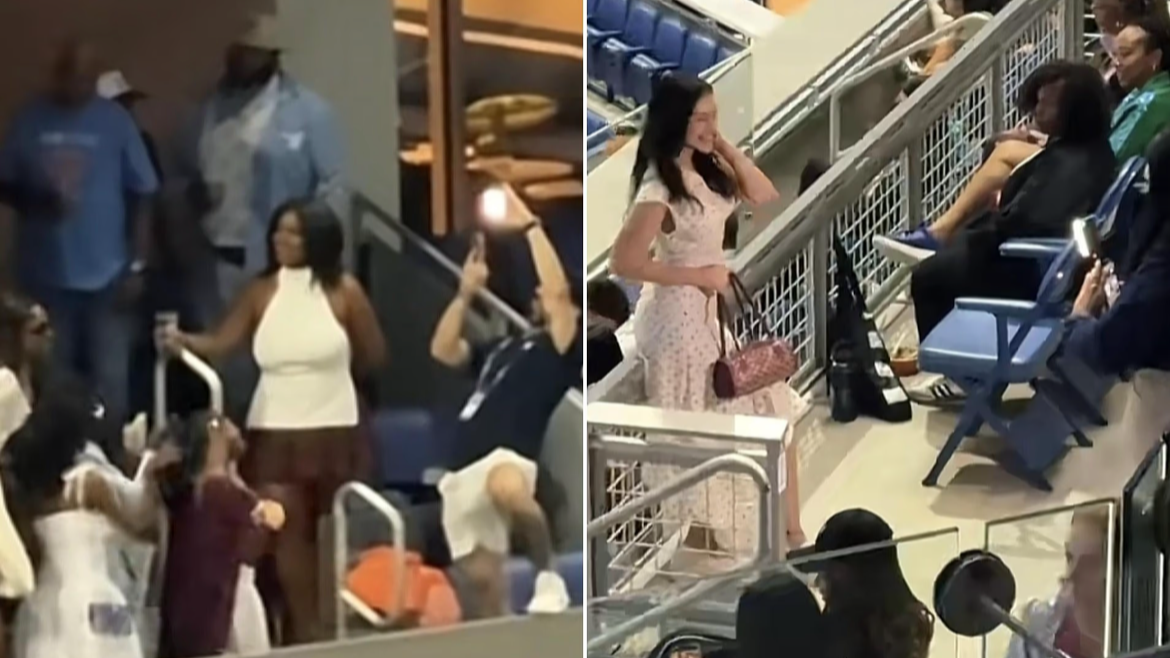
Spectators were criticised for staging a photoshoot during play at the US Open. Screenshot: Daily Mail US/X.
Nobody needs a cultural studies degree to explain why that is annoying. Professional athletes should not have their matches disrupted because somebody wants to get the perfect shot.
But that wasn't the only video fuelling the conversation.
In a separate viral clip from the US Open, a predominantly Black group could be seen recording a TikTok from a suite during play. You'll see why race matters.
The two incidents have since been folded into the same broader online argument about influencers, phones and tennis etiquette. But they shouldn't be confused as one incident: the first can be specifically tied to Osaka's match against Zakharova, while the available reporting on the second clip does not establish that it happened during the same match. One X user, @michiganboy, however, alleges that it was filmed at 11:44 p.m. on Monday, during the Osaka match, and says he turned around and told the group to be quiet.
And it was around that second video that parts of the conversation became considerably more uncomfortable.
One widely shared post argued that a “fair amount” of incidents where Black people believe they've experienced racism are actually the result of entering spaces with “specific rules which they do not understand,” unknowingly breaking them and interpreting the resulting criticism as racism. Tennis was offered as an example: spectators are expected to be quiet, and someone who hadn't grown up attending or watching the sport might not know that.
Which is an extraordinary amount of sociological baggage to attach to people making a TikTok.
Because there is an obvious distinction between saying:
These particular spectators were being inconsiderate.
And constructing a broader theory about whether Black people understand the social conventions of certain spaces.
The former is criticism of behaviour. The latter opens a much bigger conversation about race, class and belonging — and who we instinctively imagine when we talk about people who “know how to behave” at tennis.
Deep underneath parts of the influencer backlash is a question tennis has been wrestling with for years:
Who gets to be considered a “real” tennis fan, and who gets treated like they're invading someone else's space?
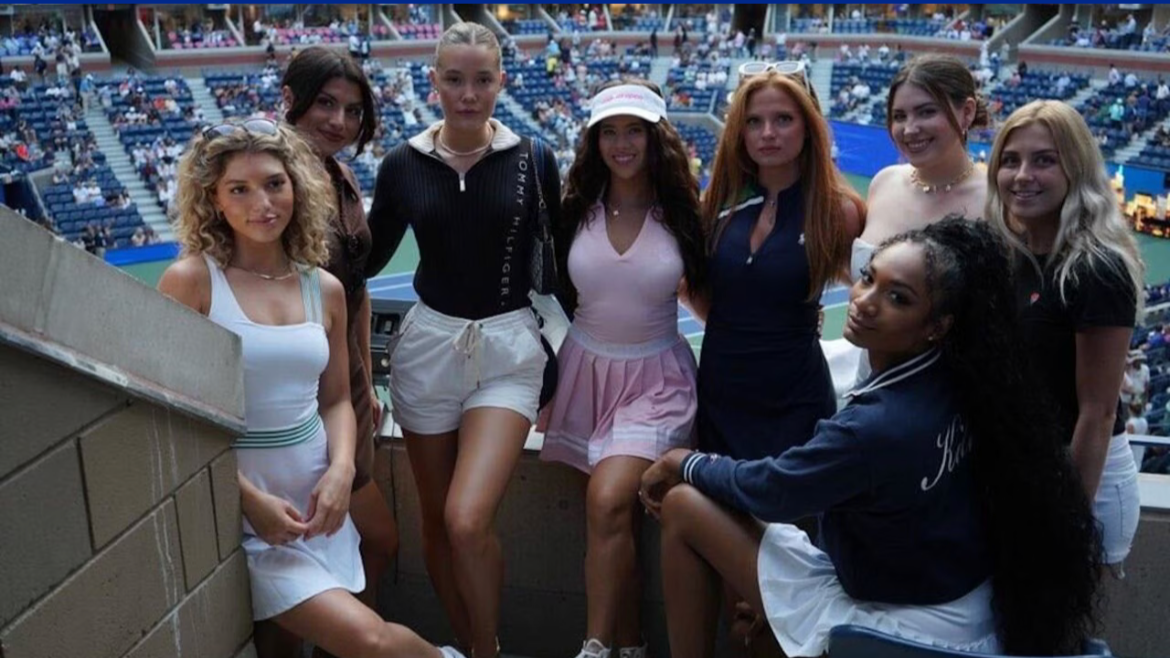
The US Open has previously hosted dedicated influencer suites at Arthur Ashe Stadium 2022. Source: USOpen.org.
Tennis invited the influencers
The greatest irony is that the US Open isn't an unwilling victim of influencer culture. It is one of its architects.
The USTA introduced creator media credentials at the 2025 US Open, accrediting 54 creators in the programme's first year.
For 2026, that number has risen to close to 100.
USTA director of media operations Jeanmarie Daly explained the strategy rather plainly: traditional media and content creators reach different audiences, and the tournament wants the broadest possible spectrum of coverage. And it appears to be working.
Content produced by the inaugural creator class reportedly generated more than 5.5 million social engagements.
Meanwhile, the tournament's own digital machine is enormous. During 2026 Fan Week alone, US Open social channels generated 711 million interactions — up 276 per cent year-on-year — while its digital platforms recorded more than 6.3 million visits.
The US Open isn't simply putting up with influencer culture.
It has actively built creators into its strategy for reaching new audiences.
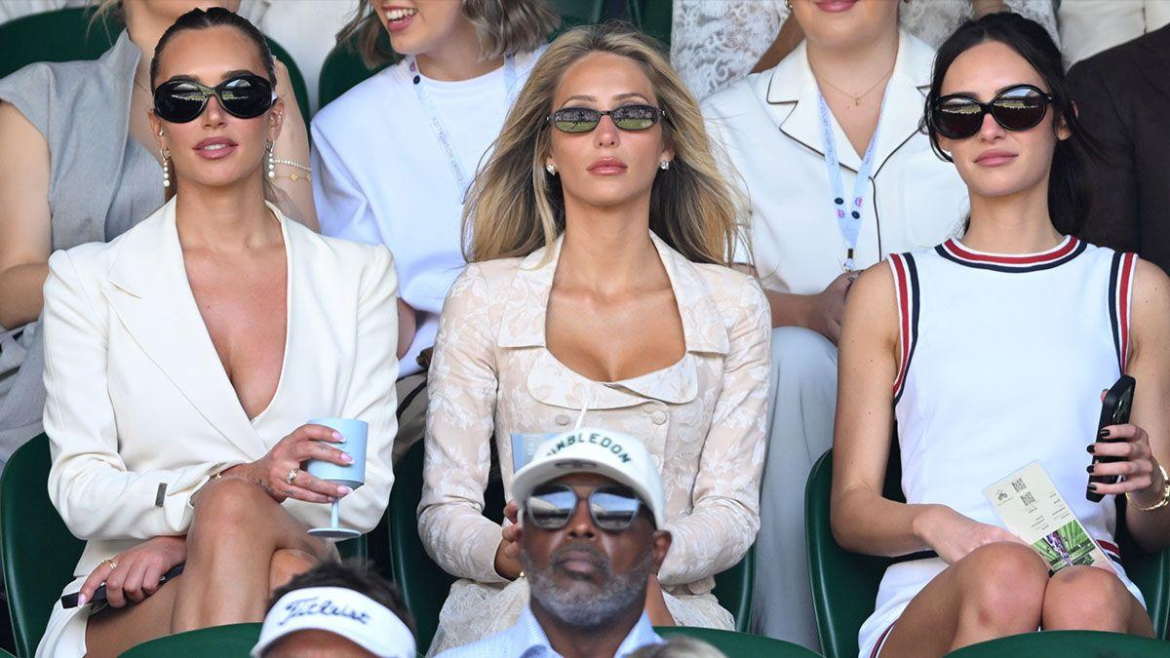
Anastasia Karanikolaou, Alix Earle and Ashtin Earle attend Wimbledon in 2026. Photo: Vogue.
Wimbledon already had this argument
None of this is uniquely American.
Only weeks ago, Wimbledon faced its own influencer discourse.
British coverage documented complaints that phones, outfit videos, food content and selfies were increasingly turning the Championships into a social-media backdrop.
Yet Wimbledon itself invited 12 content creators from emerging markets in 2026, while sponsors and luxury brands brought their own guests.
That contradiction is increasingly common across premium sport.
Formula One became a global lifestyle product alongside the explosion of Drive to Survive, celebrity paddock appearances, luxury fashion and social media. Grand Slam tennis has followed its own version of the same trajectory.
The sporting event is no longer merely the product.
Being there is the product.
The outfit, the food, the celebrities, even just being there — it's all content. And eventually, so is the tennis.
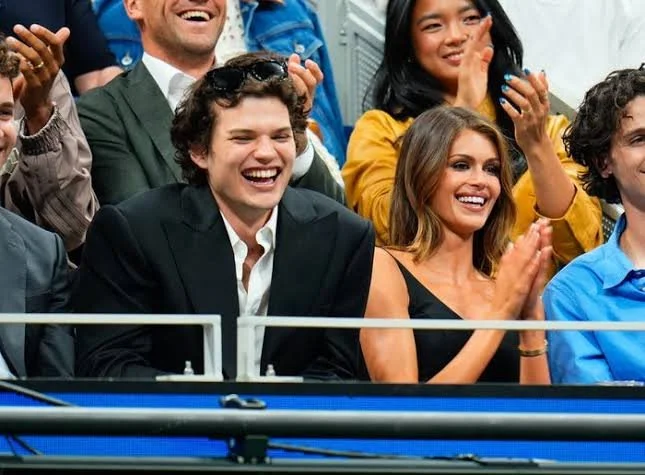
The US Open doesn't exactly behave like a monastery
There is something particularly funny about demanding Wimbledon-level reverence from the US Open.
Arthur Ashe Stadium has never been Centre Court.
New York's Grand Slam has deliberately cultivated a louder identity. Music, celebrity sightings, late-night sessions, luxury suites, food, fashion and spectacle are not unfortunate distractions from the US Open brand.
They are the US Open brand.
The USTA has increasingly expanded that proposition.
Fan Week now incorporates entertainment alongside tennis. Brand activations cover the grounds. The Honey Deuce has become a cultural product in its own right. Merchandise has become fashion. Sponsors increasingly design experiences intended to be photographed, shared and circulated online.
The organisation wants the US Open to occupy culture beyond tennis.
Creators are particularly effective at accomplishing exactly that.
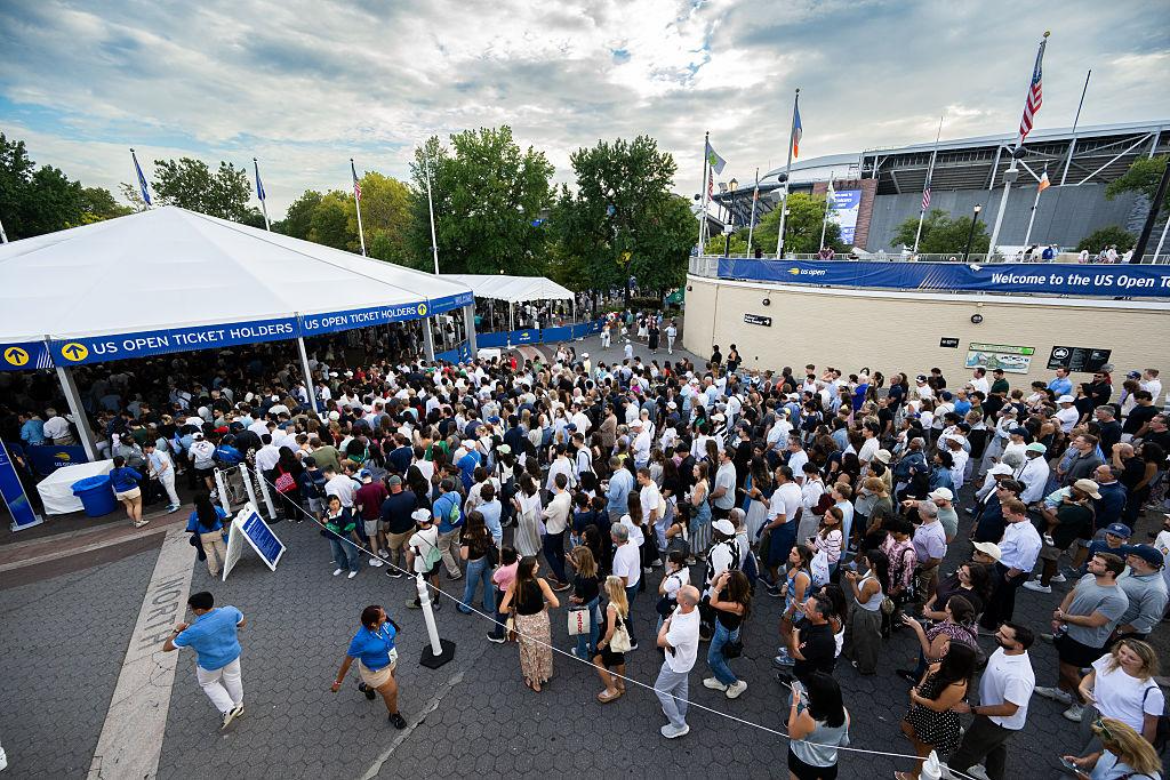
Meanwhile, actually attending is becoming harder
This is where criticism of influencer culture becomes far more persuasive.
The US Open was historically nicknamed the “people's Slam.” Increasingly, the economics surrounding attendance make that label uncomfortable.
Reporting during this year's tournament documented grounds passes reaching hundreds of dollars amid extraordinary demand, with resale markets pushing prices considerably beyond their original face value.
The tournament is also undergoing an enormous redevelopment while expanding premium hospitality and luxury experiences.
Wimbledon presents a different version of the accessibility problem. Its heavily oversubscribed public ballot does not allow successful applicants to select a particular day or court, while the famous Queue offers only limited numbers of Show Court tickets each day.
So imagine being a dedicated tennis fan unable to secure an affordable ticket, opening Instagram and watching someone sitting in premium hospitality who seemingly cannot name the players on court.
Of course that creates resentment.
But that frustration should raise a different question.
Not “Why are influencers here?”
But “Which influencers are receiving access — and why?”
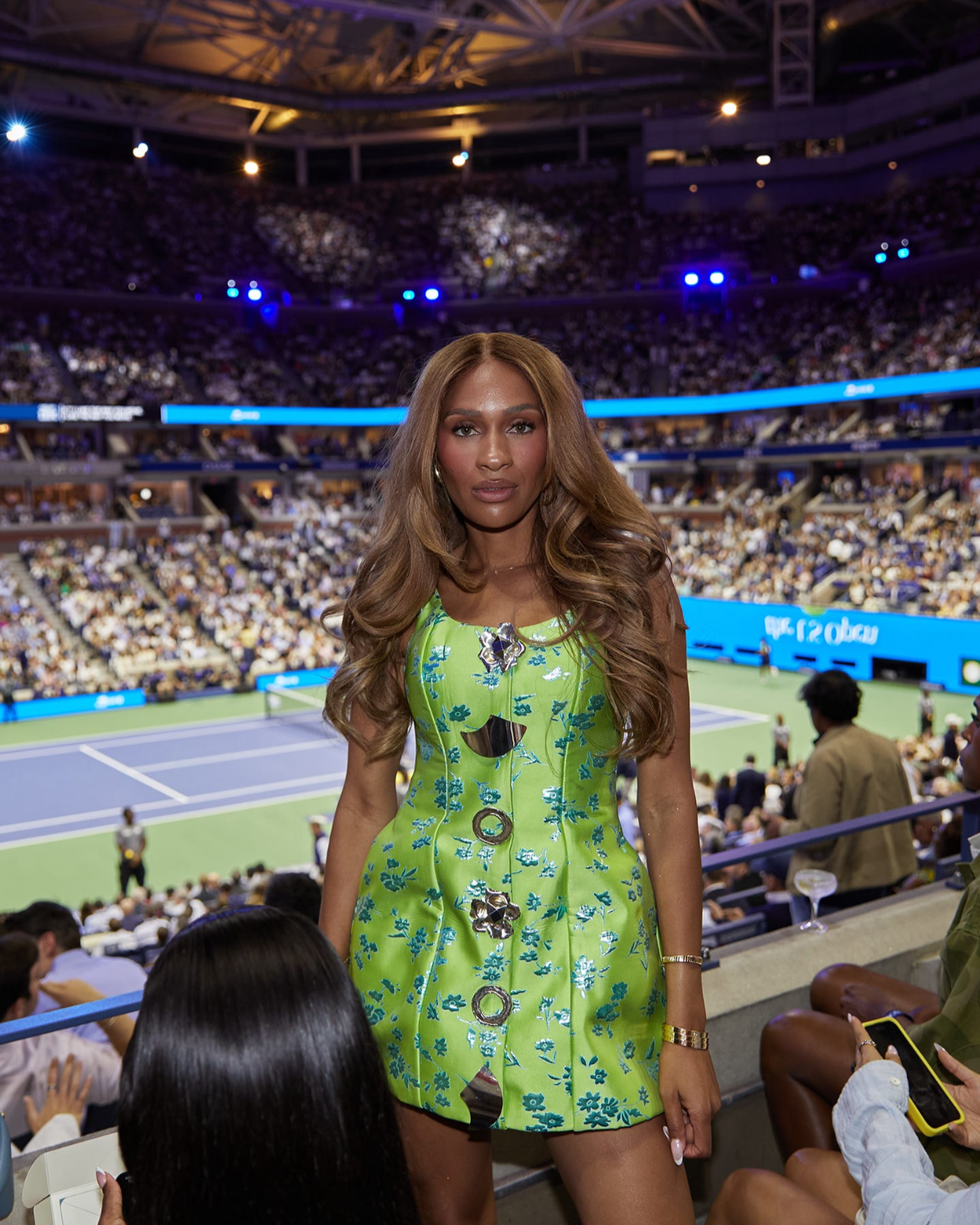
Ayan Broomfield attends the 2026 US Open at Arthur Ashe Stadium. Photo: US Open/USTA.
Sports creators should ALWAYS be part of the equation
Creators are not one interchangeable category.
Someone producing tactical tennis analysis is a creator.
A journalist building an independent sports platform is a creator.
A fashion creator documenting the increasingly important relationship between tennis and clothing is a creator.
So is the lifestyle personality taking a photograph of their Honey Deuce.
All can provide marketing value. But they do not necessarily provide the same value.
If tournaments genuinely believe creators are part of the future of sports media, access should increasingly reflect that.
Bring lifestyle creators who can introduce tennis to completely new audiences.
But bring tennis creators too.
Bring independent sports journalists.
Bring creators from communities historically underserved by traditional tennis media.
Former tennis player and NCAA doubles champion Ayan Broomfield has already shown what more intentional access can look like. Through Ayan's Aces, the initiative she founded to bring more women of colour into tennis spaces, Broomfield has worked with brands and tournaments to provide access to matches, clinics and other experiences.
And crucially, those guests often share the experience with their own audiences — turning access into another route for people to discover the sport.
That's the kind of relationship tennis should want: creators get access and content, while tennis reaches communities it has historically struggled to bring into the stands.
Bring fashion and culture writers who understand why tennis is becoming relevant beyond the baseline.
The objective shouldn't be replacing one gatekeeping system with another.
It should be using creator access to make the ecosystem wider.
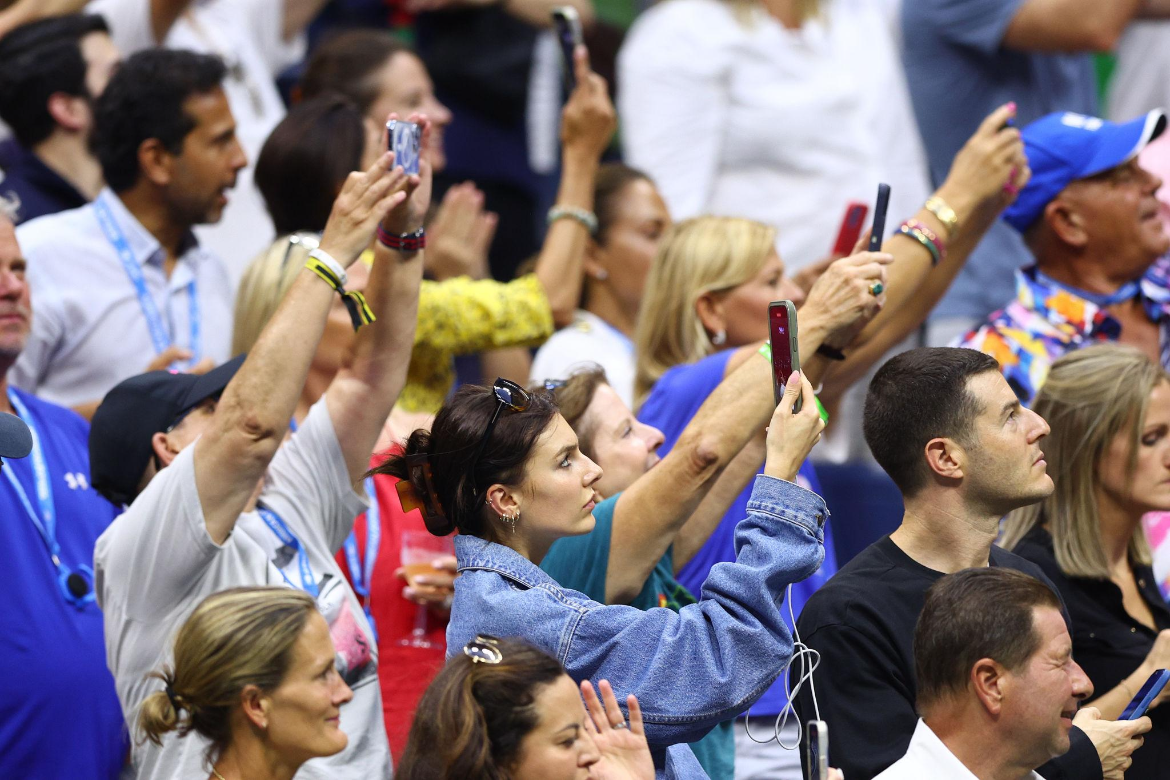
Spectators use their phones from the stands at the US Open. Photo: Getty Images.
Etiquette isn't gatekeeping. But gatekeeping can hide behind etiquette.
There are rules that spectators should follow.
The US Open's own policies permit personal photographs and non-live social-media posts, subject to restrictions, while prohibiting behaviour that disrupts players or other spectators and restricting unauthorised commercial activity.
Wimbledon similarly requires phones and electronic devices to be silent around courts in play.
So “people aren't allowed to take pictures at tennis” isn't really the rule.
Don't interfere with the tennis is much closer to it.
Criticising someone for illuminating a suite while a player is serving is reasonable.
Treating every outfit photo, vlog or TikTok as a problem ignores how much tennis now benefits from the attention they generate in this newfound influencer economy.
And extrapolating the behaviour of Black spectators into theories about Black people's inability to understand the norms of certain spaces should set off considerably louder alarm bells.
Sport has always contained rituals that experienced fans learn over time.
New fans, by definition, have to learn them.
If tennis succeeds in attracting millions of people who did not grow up watching it, some of those people will inevitably arrive without knowing every convention.
Teach them.
Enforce rules when necessary.
Don't turn unfamiliarity into a membership test. That's how you scare potential fans away, and it's frankly god-tier levels of lame.
Because otherwise, we're left with a sport that insists it desperately wants new audiences while punishing them for behaving like newcomers.
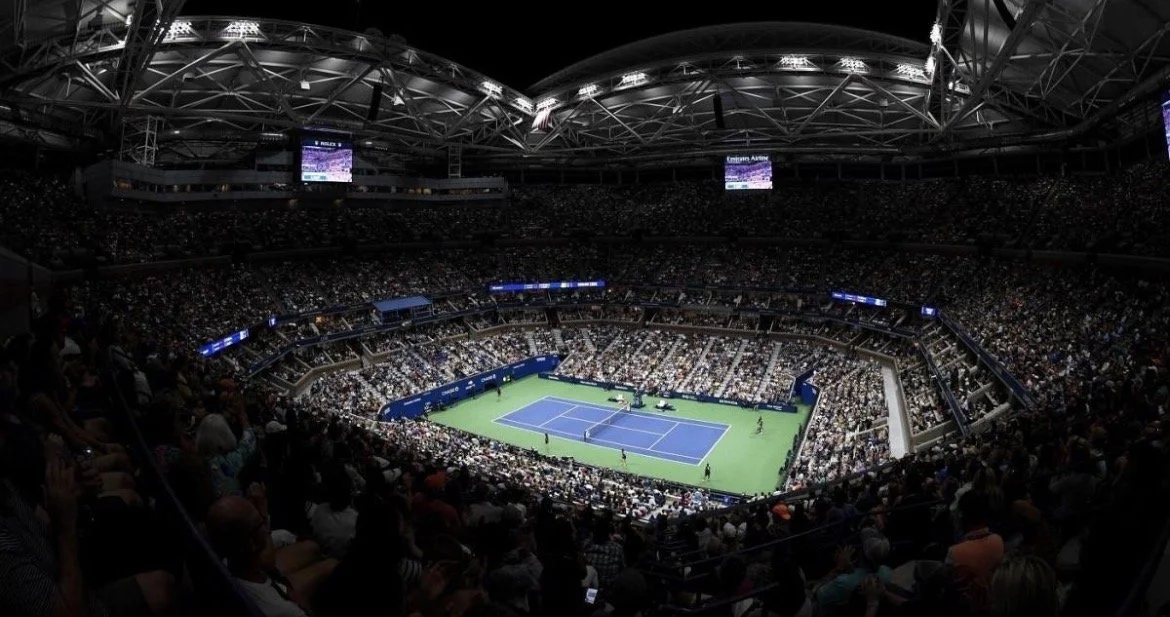
Arthur Ashe Stadium during the US Open. Source: TenisBrasil.
The age of the influencer isn't going anywhere..yet
The influencer debate is ultimately bigger than the influencers themselves.
It is about what professional sport wants to become.
The US Open wants record attendance, record digital engagement, younger audiences, luxury partnerships, fashion relevance, celebrity attention and billions of social interactions.
Creators sit directly at the intersection of those ambitions.
That doesn't give them permission to disrupt a match.
An invitation should arguably create more responsibility to understand the event, not less. But tennis cannot build an enormous cultural festival around a sporting competition and then become nostalgic for an audience that silently watches only the forehand.
The US Open does not need to get rid of influencers. It needs better creator curation, clearer etiquette and a broader idea of who deserves access.
Because if tennis really wants to become bigger than tennis, eventually it has to make room for people who arrived through something other than tennis.
Even if their first instinct is to take a picture.