

Raven Baxter Would’ve Hated Raven-Symoné
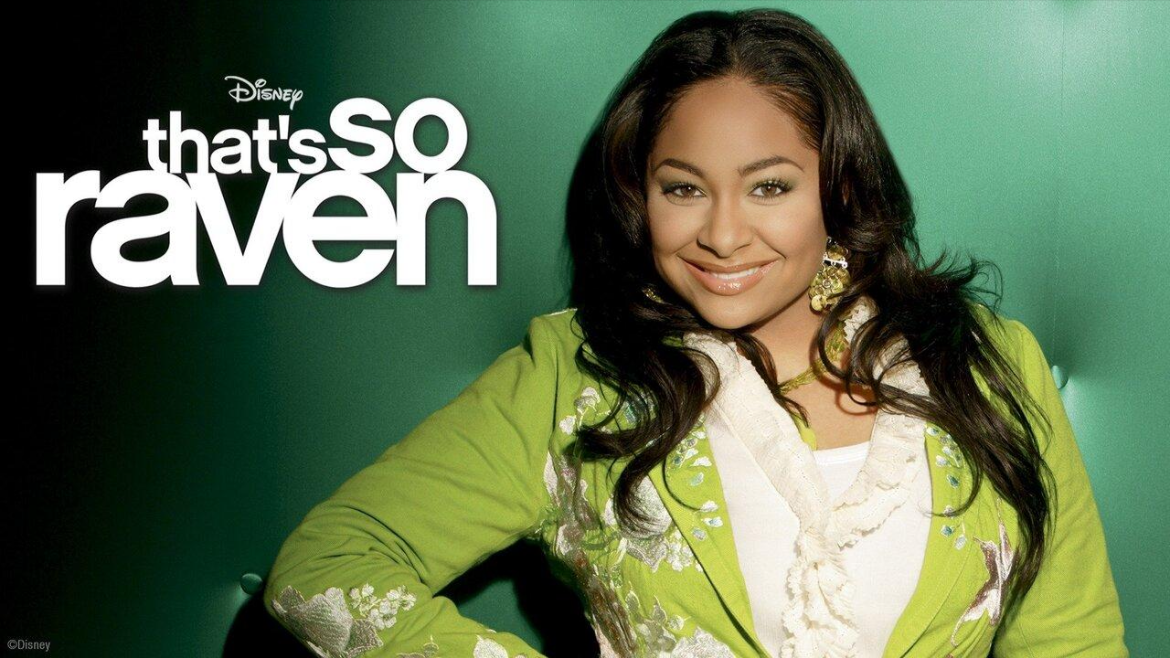
Image: Disney Channel
Raven-Symoné wants us to imagine That’s So Raven without race. The only problem is that the show itself never did.
There is something almost surreal about watching Raven-Symoné question the Blackness of Raven Baxter.
During a conversation with Kalen Allen on her Tea Time with Raven & Miranda podcast, Allen described Raven Baxter; the psychic, fashion-obsessed teenager at the centre of That’s So Raven as unmistakably Black.
Raven-Symoné challenged him.
“Was she Black?” she asked, before offering a thought experiment: take away the characters’ skin colour, make them green, and listen to the words. Would anything about the stories themselves tell you what race these people were?
Her larger point was not quite that Raven Baxter literally wasn’t Black, nor that having a Black family at the centre of the show was insignificant. Rather, Raven questioned whether the character was particularly “culturally Black,” arguing that the stories told through the Baxters were fundamentally universal.
And yet, there is an obvious problem with that argument.
You cannot simply make Raven Baxter green.
Because That’s So Raven never did.
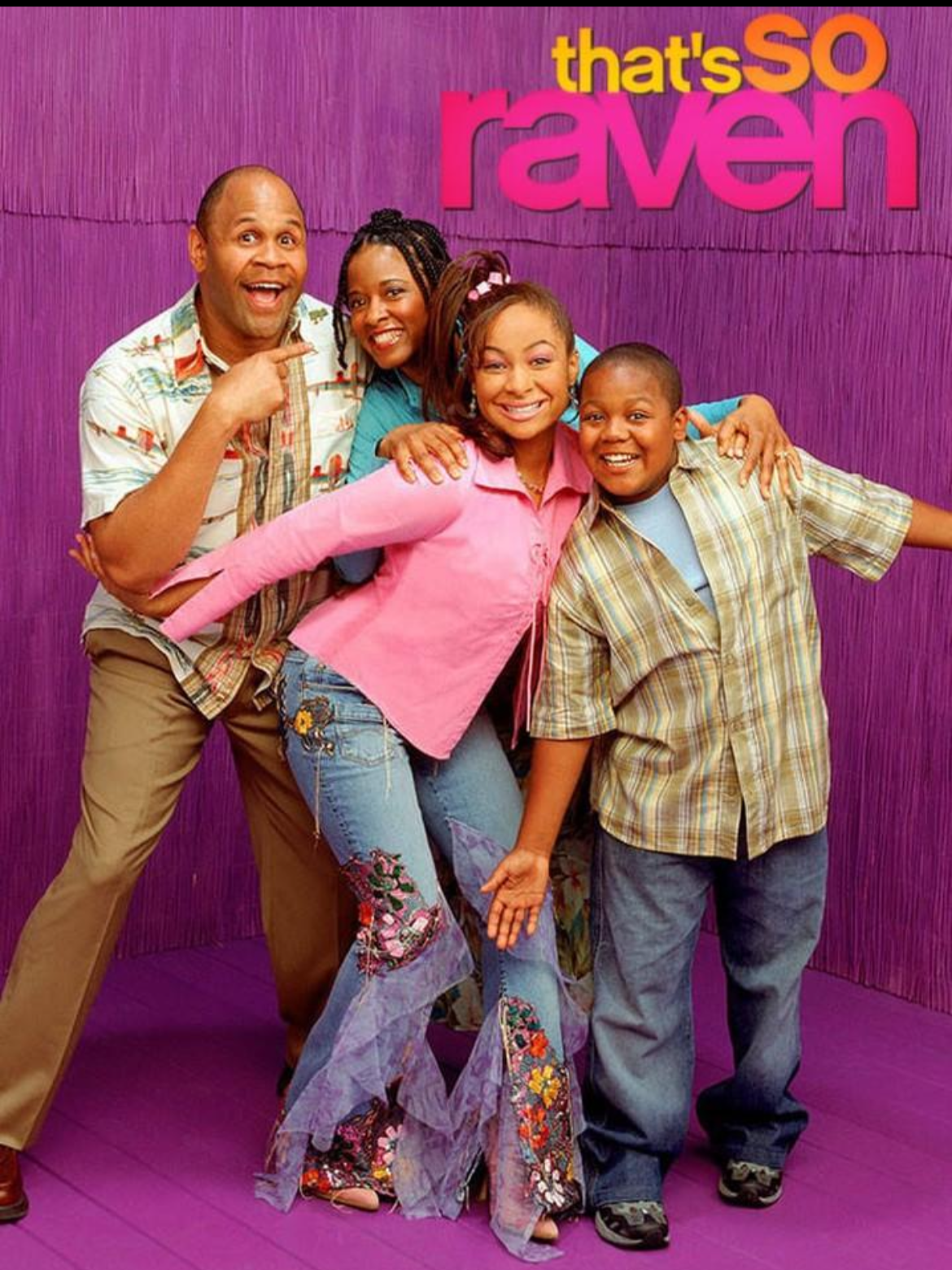
Image: Disney Channel / That’s So Raven
Blackness Wasn't Incidental to That’s So Raven
When That’s So Raven premiered on Disney Channel in January 2003, Raven-Symoné became the first Black woman to have her name in the title of a television comedy series, according to Disney's own D23. The show would go on to become Disney Channel's first series to reach 100 episodes.
It was not Disney Channel's first programme centred on a Black protagonist. Five years earlier, The Famous Jett Jackson had introduced audiences to Lee Thompson Young as a Black teenage television star trying to balance fame with ordinary adolescence. Jett Jackson premiered in 1998.
But That’s So Raven still represented something remarkable within the Disney Channel universe of the early 2000s.
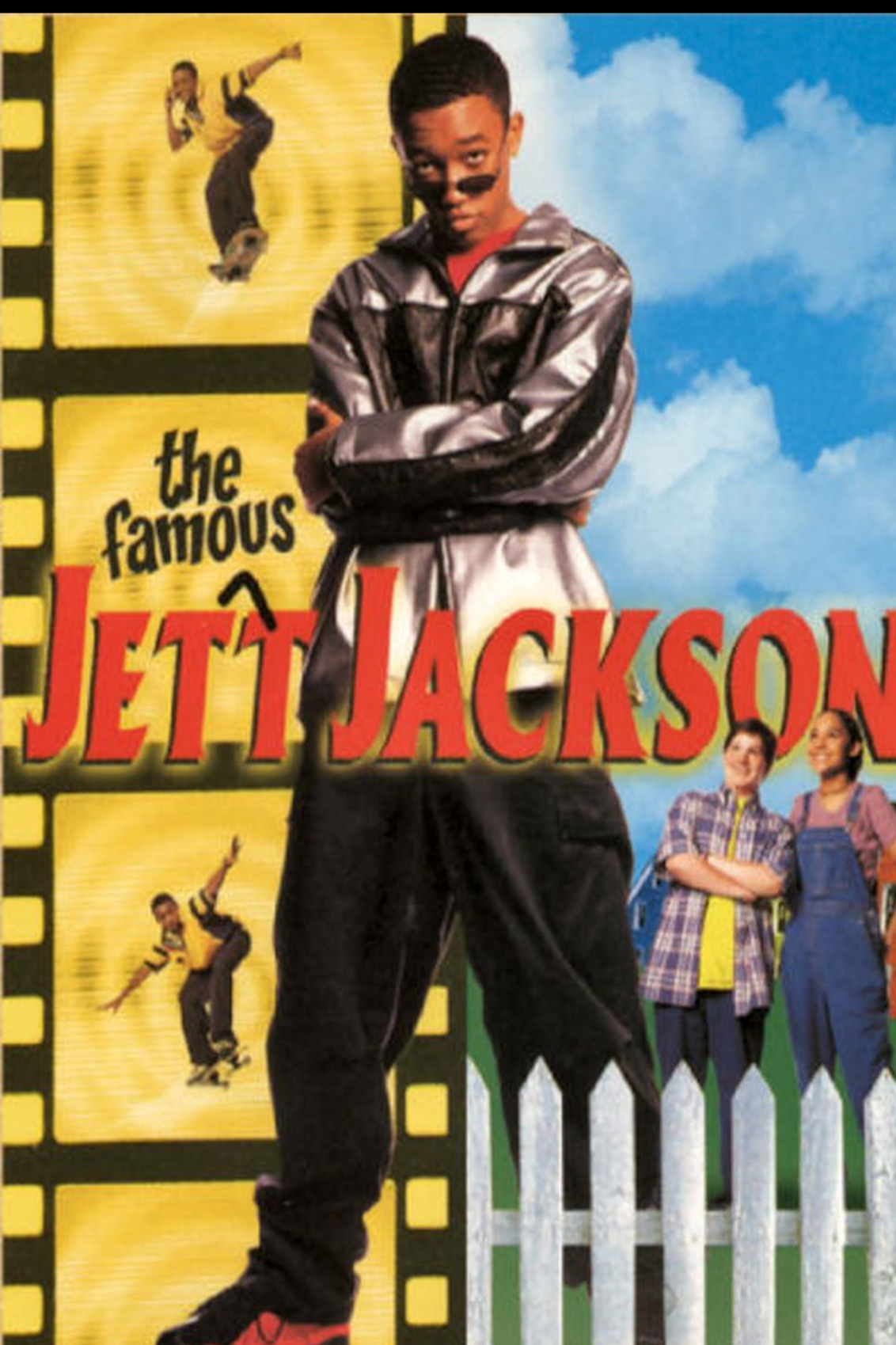
Image: Disney Channel / The Famous Jett Jackson
At its centre was a Black teenage girl. At home were her Black mother, Tanya; Black father, Victor; and Black younger brother, Cory. One of her two closest friends, Eddie, was also Black.
And for once the black girl was not placed as someone's sidekick, she wasn't the Black best friend standing beside Disney's real protagonist.
She was the main character.
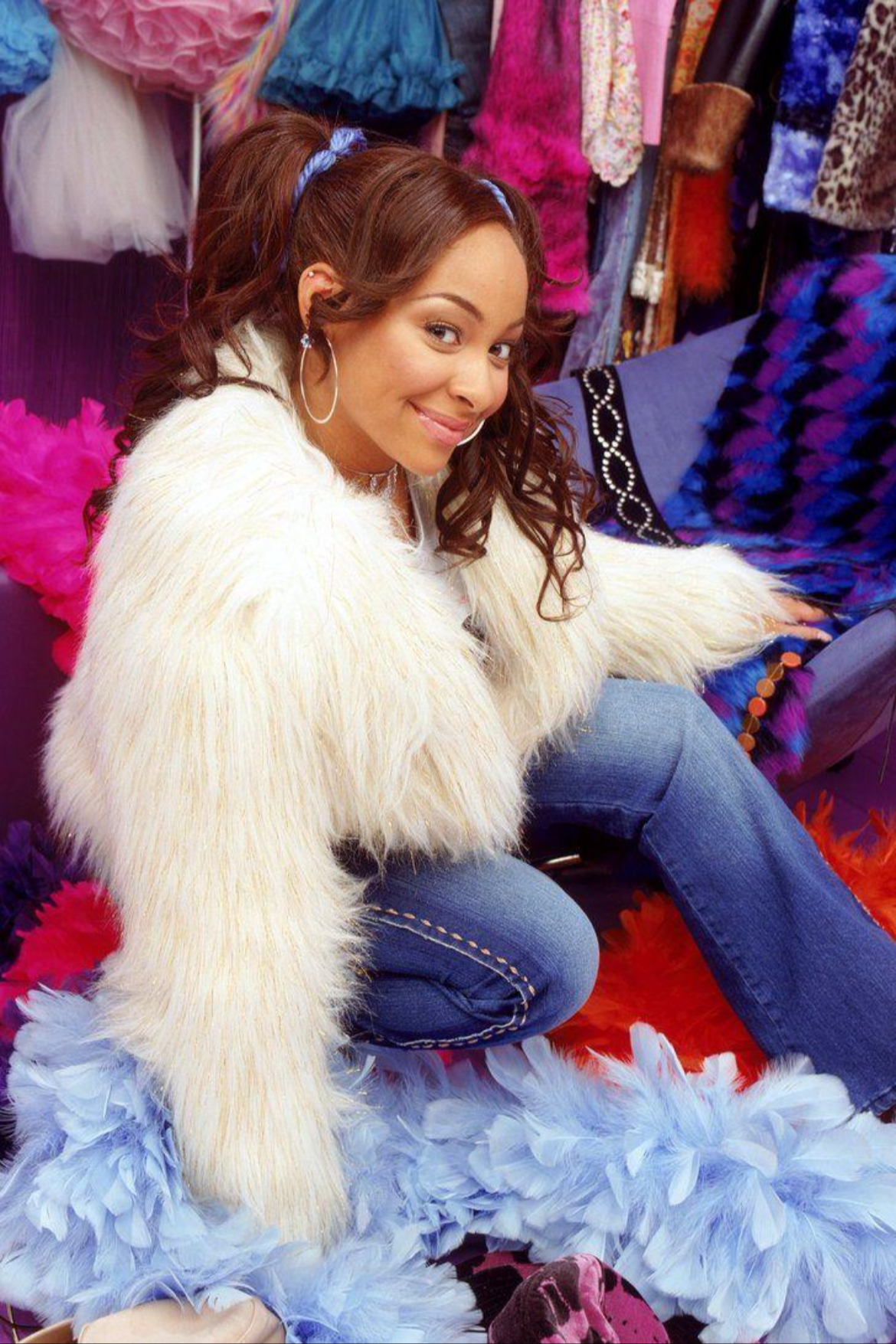
Image: Disney Channel / That’s So Raven
The visions belonged to her. The ridiculous disguises belonged to her. The physical comedy, elaborate facial expressions, dancing, fashion ambitions and schemes all revolved around Raven Baxter.
And that matters when discussing whether her Blackness can really be separated from the character.
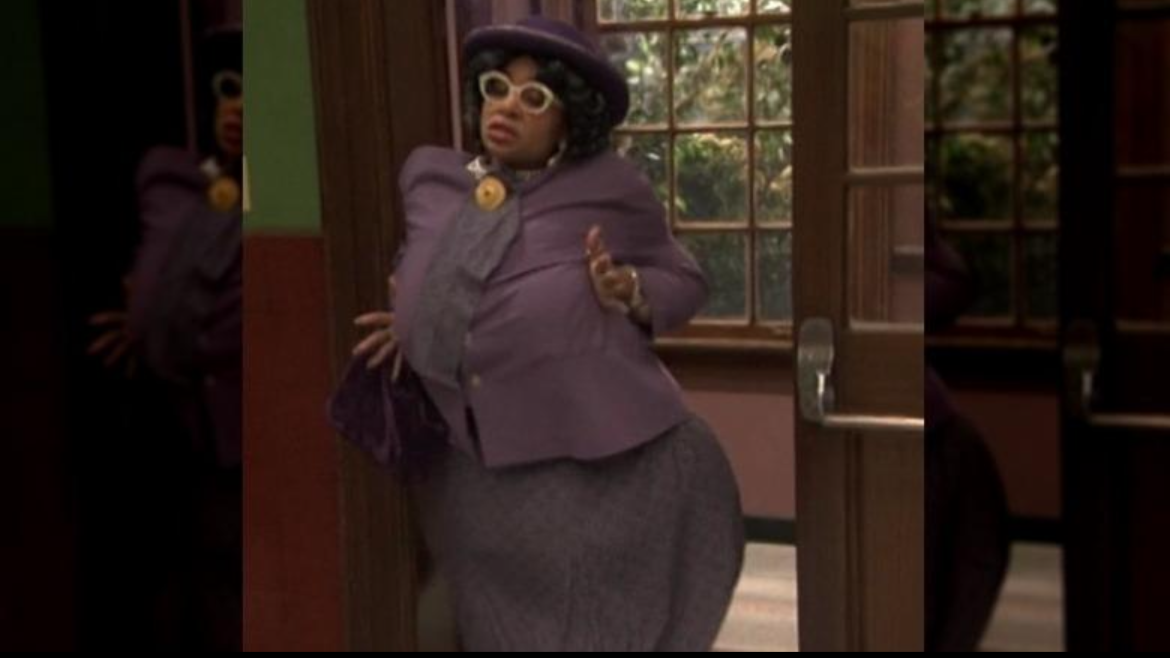
Images: Disney Channel / That’s So Raven
It would be equally simplistic to claim that every dance, vocal inflection or comedic mannerism Raven performed was deliberately written as an expression of Black (american) culture. But for Black viewers, cultural recognition does not require a character to announce her race every five minutes.
Sometimes it exists in the family.
Sometimes it's in the hair and fashion extravagance.
Sometimes it's in the music, the physical comedy, language, movement and references.
And then there are times when the show makes it completely, unambiguously explicit.
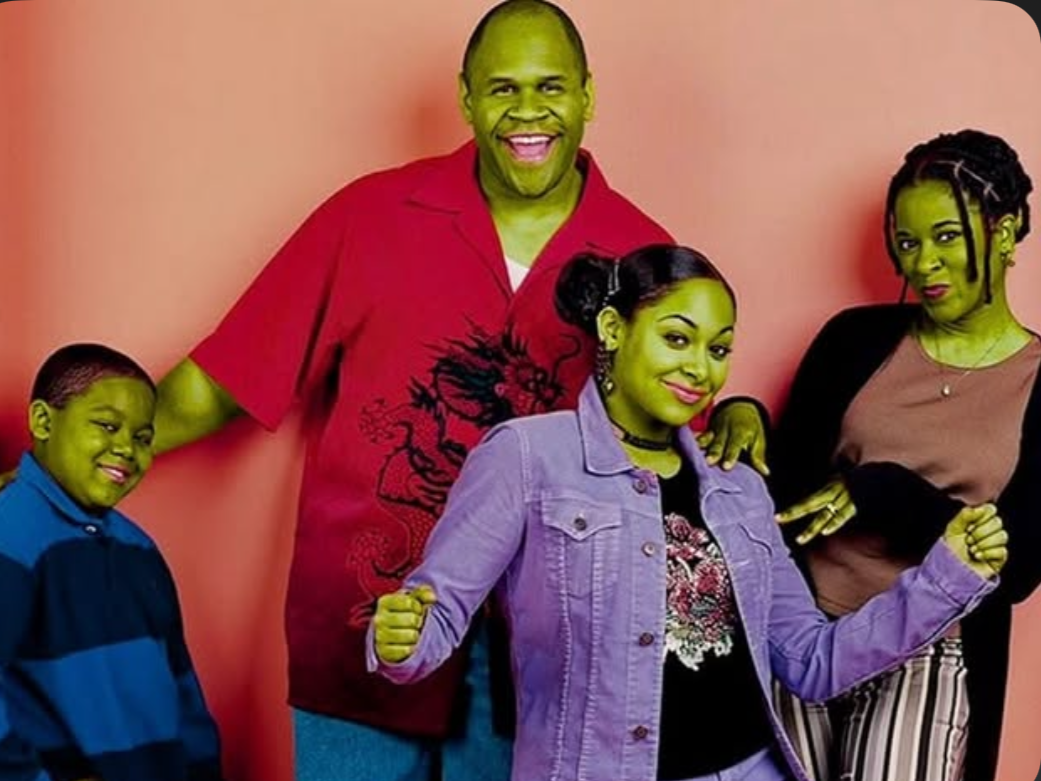
Even if you make Raven Green…she’s still black.
The clearest rebuttal to Raven-Symoné's thought experiment aired on February 4, 2005.
The episode was called “True Colors.”
Raven and Chelsea apply for jobs at a clothing store and Raven is confident about her application and qualifications. Chelsea's application, by comparison, is hardly impressive.
Chelsea gets the job and Raven doesn't.
It’s only through one of her psychic visions, Raven discovers the reason: the store manager doesn't hire Black people.
Suddenly, Raven's race isn't something that can be removed from the story while leaving everything else intact, her race is the story.
The episode aired during Black History Month, and its second storyline was hardly subtle either: Victor attempts to teach Cory to appreciate Black history for a school assignment. Disney's current description of the episode still explicitly describes Raven believing that she has been denied the job because of racism.
“True Colors” wasn't simply an episode featuring characters who happened to be Black.
It was an episode about what happens when a Black girl discovers that being charming, talented and qualified cannot make somebody else colour-blind (I learnt this too).
Which makes Raven-Symoné's “make them green” argument particularly strange in retrospect.
Make Raven green and “True Colors” ceases to make sense.
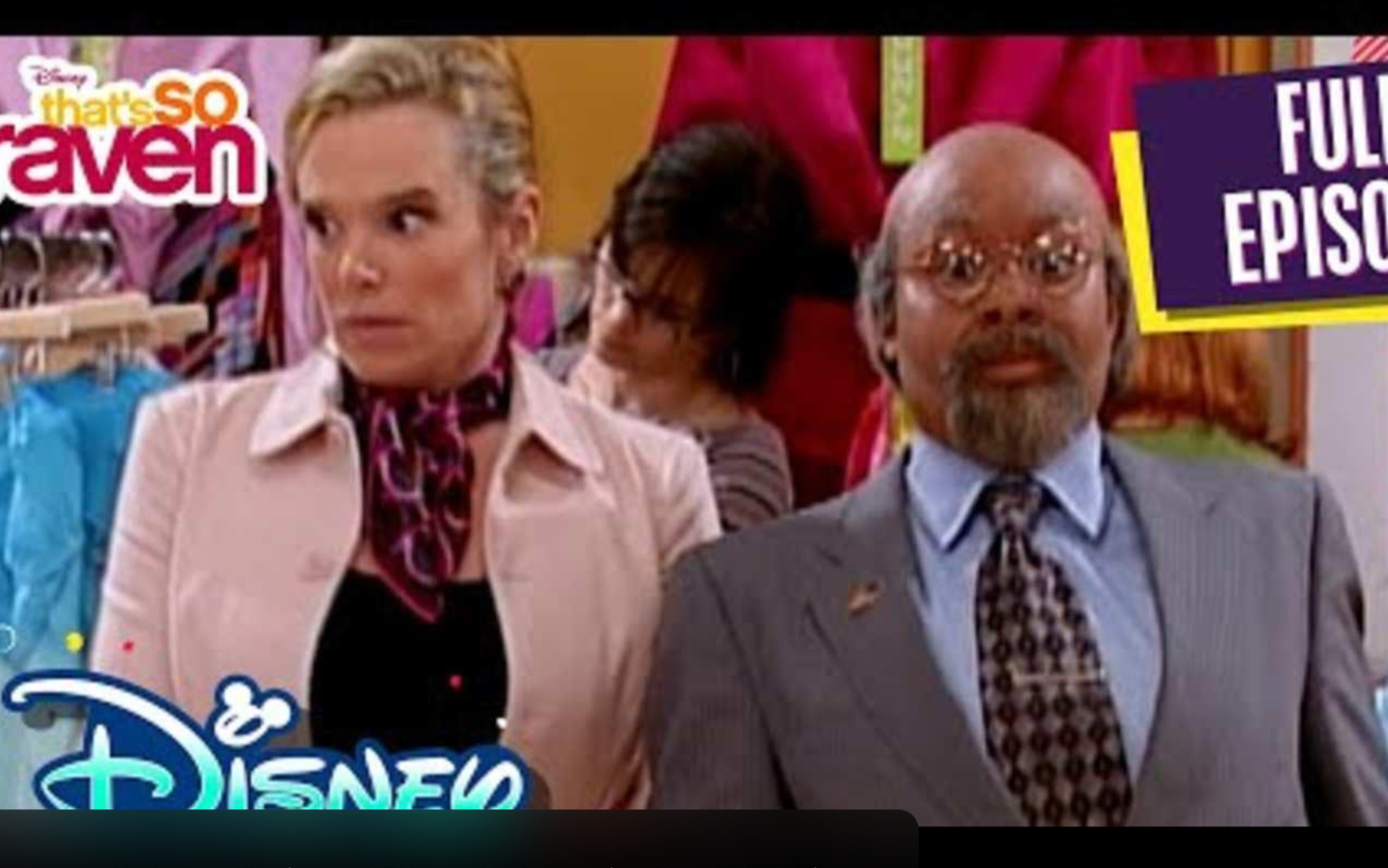
Image: Disney Channel / That’s So Raven, “True Colors” (2005)
But perhaps even more importantly, the episode doesn't suddenly transform That’s So Raven into a “Black show” for 21 minutes before reverting to something universal the following week.
Raven could encounter racism one week and spend the next embroiled in an absurd scheme involving a wig, an accent and a psychic vision gone disastrously wrong.
Her Blackness didn't have to be the plot of every episode to remain part of who she was.
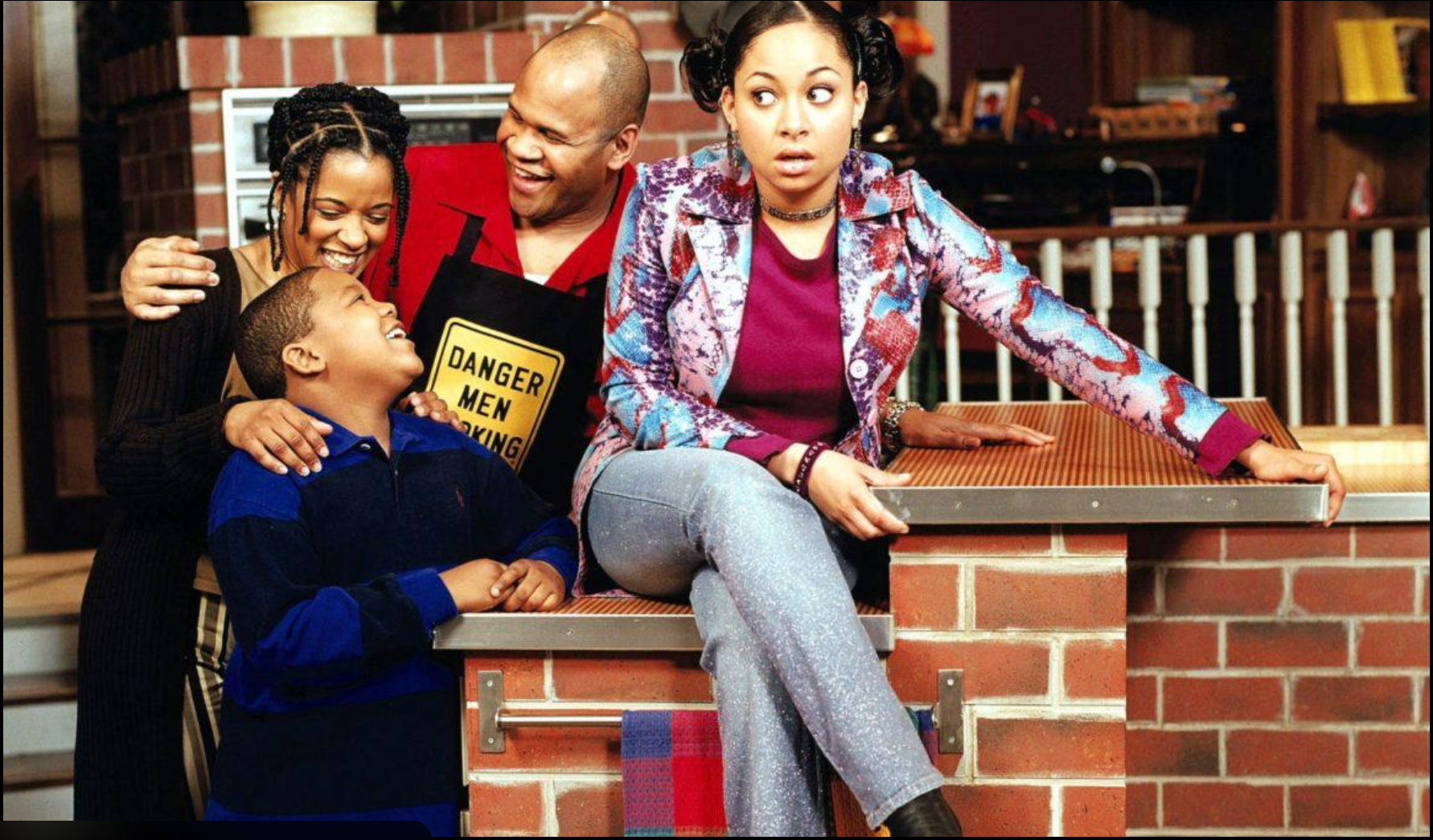
Image: Disney Channel / That’s So Raven
The Baxters Didn't Need to Explain Their Blackness
This may actually be where Raven-Symoné and the people disagreeing with her are closer than they appear.
Because she is right about one thing: That’s So Raven was incredibly universal.
You didn't need to be a Black American teenager living in San Francisco to understand being embarrassed by your parents. You didn't need to look like Raven to understand desperately wanting a boy to like you, arguing with your sibling, getting in trouble at school or concocting an increasingly ridiculous lie to get yourself out of another lie.
That universality was part of the show's success.
Where Raven's argument becomes harder to accept is in treating that universality as evidence against the significance of its Blackness.
Why should those things be opposites?
Black characters have historically been asked to carry an unusual burden on screen: either their stories are explicitly about race, or their race is treated as incidental to a supposedly more “universal” story.
That’s So Raven frequently intersected perfectly between those two ideas.
The Baxters were Black.
And most days, they simply had other things to do.
It is arguably what made its representation so effective.